

Compare single-axle and tandem-axle box trailers for everyday towing, heavier loads, manoeuvrability and maintenance.
Start with the job, not the number of axles
A single-axle trailer has one axle group, while a tandem trailer has two axles close together. Neither is automatically the better choice. A trailer for weekend green-waste runs has very different requirements from one used regularly for building supplies or equipment. Before comparing designs, write down the dimensions and estimated weight of your heaviest normal load, how often you tow, where you park and what your vehicle can tow.
Why choose a single axle?
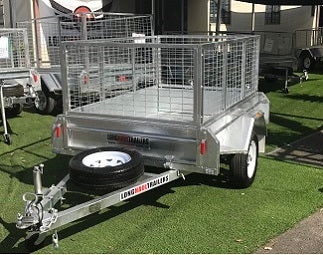
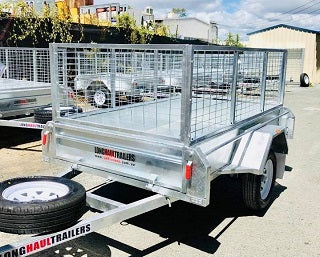
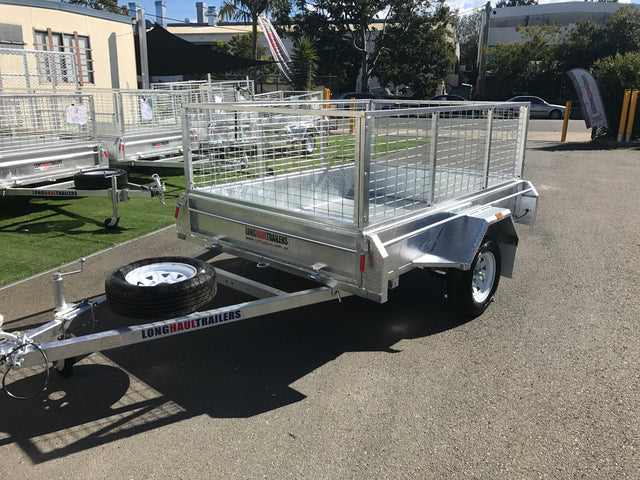
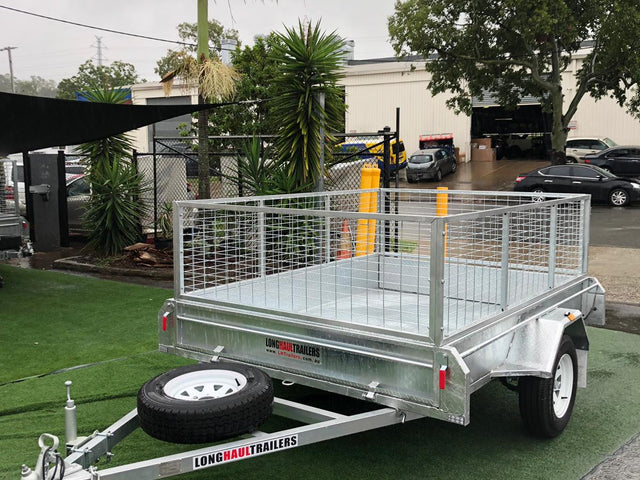
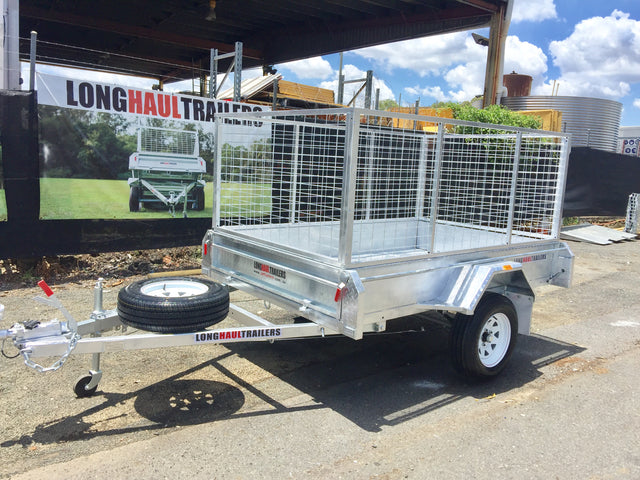
Single-axle box trailers are often lighter, simpler to move by hand when unloaded and easier to manoeuvre in a driveway or confined storage area. There are fewer tyres, bearings and suspension components to maintain. They can suit household clean-ups, furniture, garden supplies and many small-business jobs. However, the actual permitted load depends on the individual trailer's plate and tare mass; a physically large single-axle trailer is not necessarily rated to carry a heavy load.
When a tandem makes sense
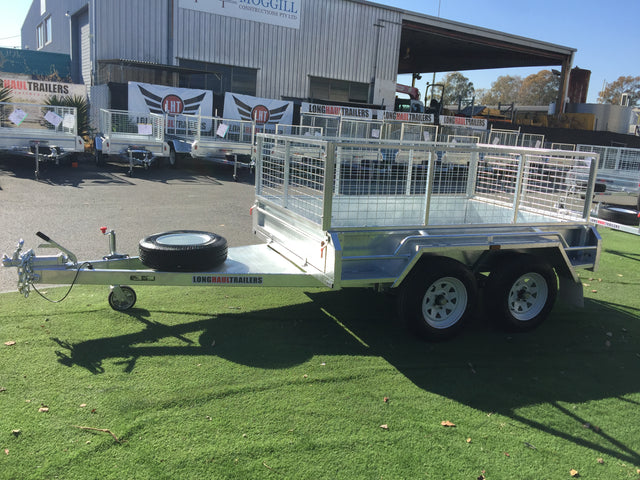
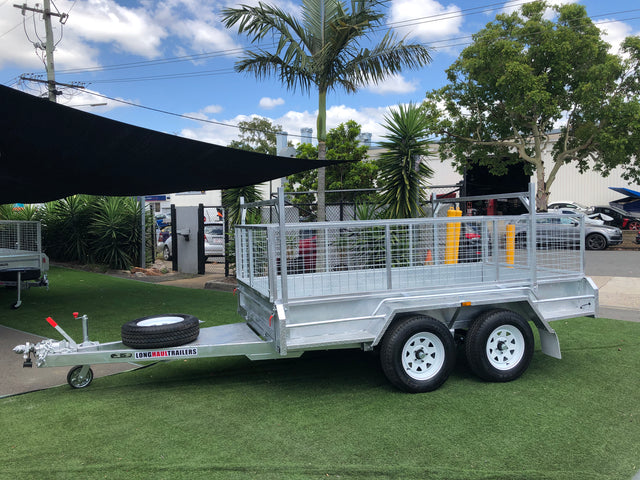
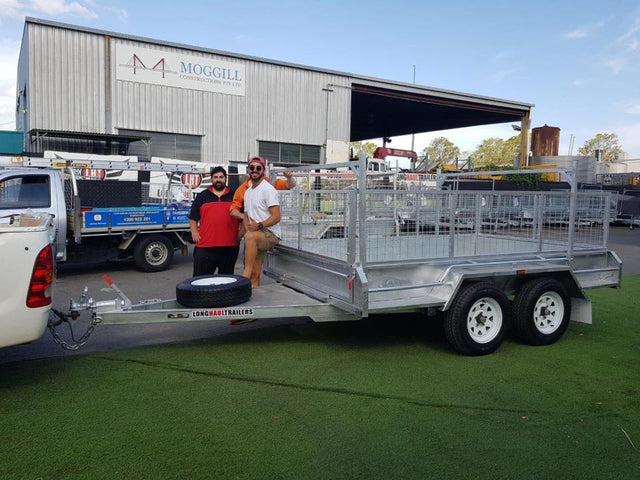
Tandem trailers can be designed for greater carrying capacity and frequent heavier work. Four tyres can spread the load across more contact points, but the permitted mass still comes from the trailer's approved ratings, not the axle count alone. Tandems are generally heavier and can be harder to push around manually. Tight turns can cause tyre scrub, and maintenance involves more wheels and related components. Consider where you will reverse and turn before choosing a tandem.
Compare the full towing combination
Check your vehicle's braked and unbraked towing limits, towbar rating, towball download limit and any vehicle-specific restrictions. Compare these with the trailer's ATM, tare mass and expected loaded weight. The lowest applicable limit controls what you can safely tow. Braking requirements depend on the trailer's mass and configuration; don't assume that a tandem is automatically braked or that a single axle never needs brakes.
Questions to ask before buying
Ask for the exact trailer tare and ATM, the internal floor dimensions, whether brakes are fitted, the coupling specification, tyre size, tie-down arrangements and warranty details. If you carry bulky but light items, usable floor space and cage options may matter more than a high mass rating. If you carry dense materials, payload and brakes may be the deciding factors.
Which should you choose?
For occasional lighter domestic loads, a suitably rated single axle is often the practical choice. For frequent heavier jobs, compare correctly rated tandem models and confirm the tow vehicle can handle them. Browse our single-axle trailers, tandem trailers and size guide. Long Haul Trailers can help you compare actual specifications rather than relying on labels alone.
Frequently asked questions
Can I rely on the size alone? No. Confirm the individual trailer's dimensions, tare, ATM and suitability for your vehicle.
Where can I compare models? Browse Long Haul Trailers box trailers or contact our Brisbane team for model-specific details.
At a glance: choosing by the job
Compact single axle
View options →Heavy-duty braked
View options →Tandem axle
View options →Illustrative selection guide only. Always check your towing limits and the actual trailer specifications.

| Trailer category | Often suited to | Explore |
|---|---|---|
| 750kg ATM single axle | Household jobs and lighter bulky loads | Shop 750kg |
| 1400kg ATM heavy duty | Heavier work when vehicle ratings permit | Shop 1400kg |
| 2000kg ATM tandem | Larger loads and frequent demanding jobs | Shop 2000kg |
ATM is a maximum trailer mass, not cargo payload. Check tare, accessories, vehicle and towbar limits before choosing.
Questions buyers commonly ask
Should I choose the biggest trailer I can afford?
Not necessarily. Bigger trailers need more storage space and can be harder to manoeuvre. The right choice depends on your actual load dimensions and weight, your tow vehicle's limits, and the jobs you expect to do most often.
Does a higher ATM mean I can carry that much cargo?
No. ATM includes the trailer itself as well as its cargo and fitted accessories. Calculate available payload using the actual trailer specifications and check every applicable towing limit.
Can I inspect the trailer before ordering?
Our Sumner warehouse is available for showroom enquiries. Contact us first to confirm the model you want to inspect is on display.
Related advice
- 750kg, 1400kg or 2000kg Trailer? Understanding ATM and Payload
- How Much Can a Box Trailer Carry? Payload Examples and Common Mistakes
- Braked vs Unbraked Trailers in Queensland: What Buyers Should Know
Which Long Haul trailer should you choose?
A well-matched trailer can make tip runs, home renovations and regular work easier. Choose for the loads you actually carry, your vehicle's towing capacity and how much room you have to store it. Our range includes galvanised single-axle, heavy-duty and tandem models, with available extras depending on the trailer.
- 6x4 Box Trailer — see specifications and options
- 7x4 Box Trailer — see specifications and options
- 8x5 Box Trailer — see specifications and options
- 8x5 Heavy Duty — see specifications and options
Ready to compare? Shop all box trailers, use the size guide, or ask us which model suits your job. Visit our Sumner showroom to inspect trailers in person.